

 Sheela Clary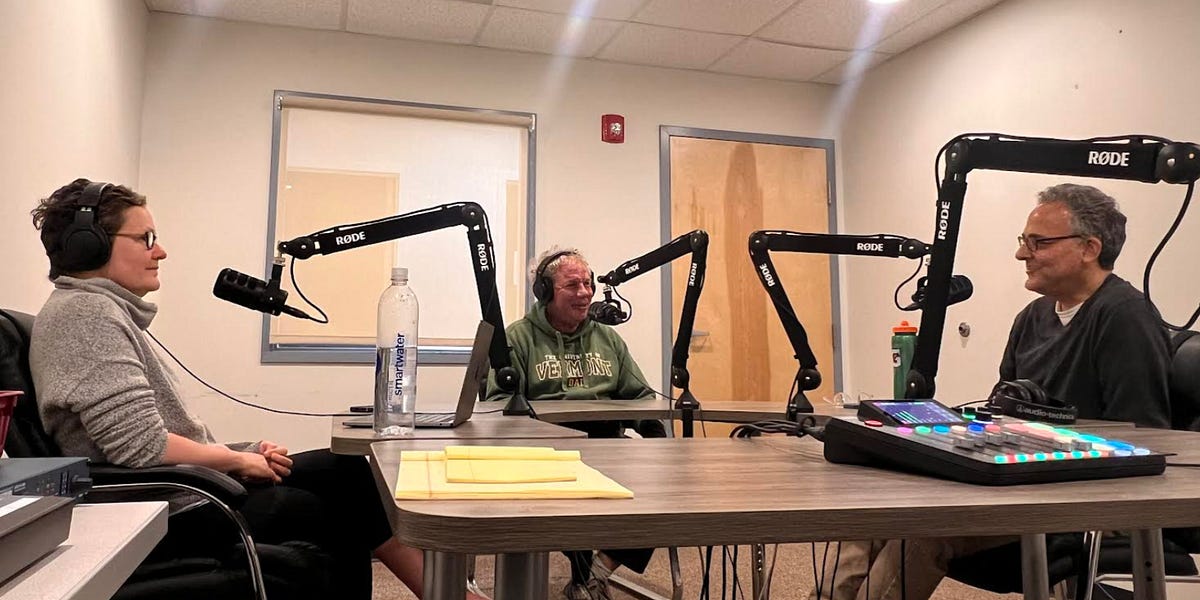
A couple of years ago, I wrote about something unusual in Great Barrington. The town had secured a $1 million state MassWorks infrastructure grant to help Alander Group, the local developer of a downtown luxury-apartment project at the former south-county home of Berkshire Community College.
At the time, town officials repeatedly declined to provide details or answer basic questions about the grant. Most members of the Select Board said they knew nothing about it, and few seemed especially curious.
 Bill Shein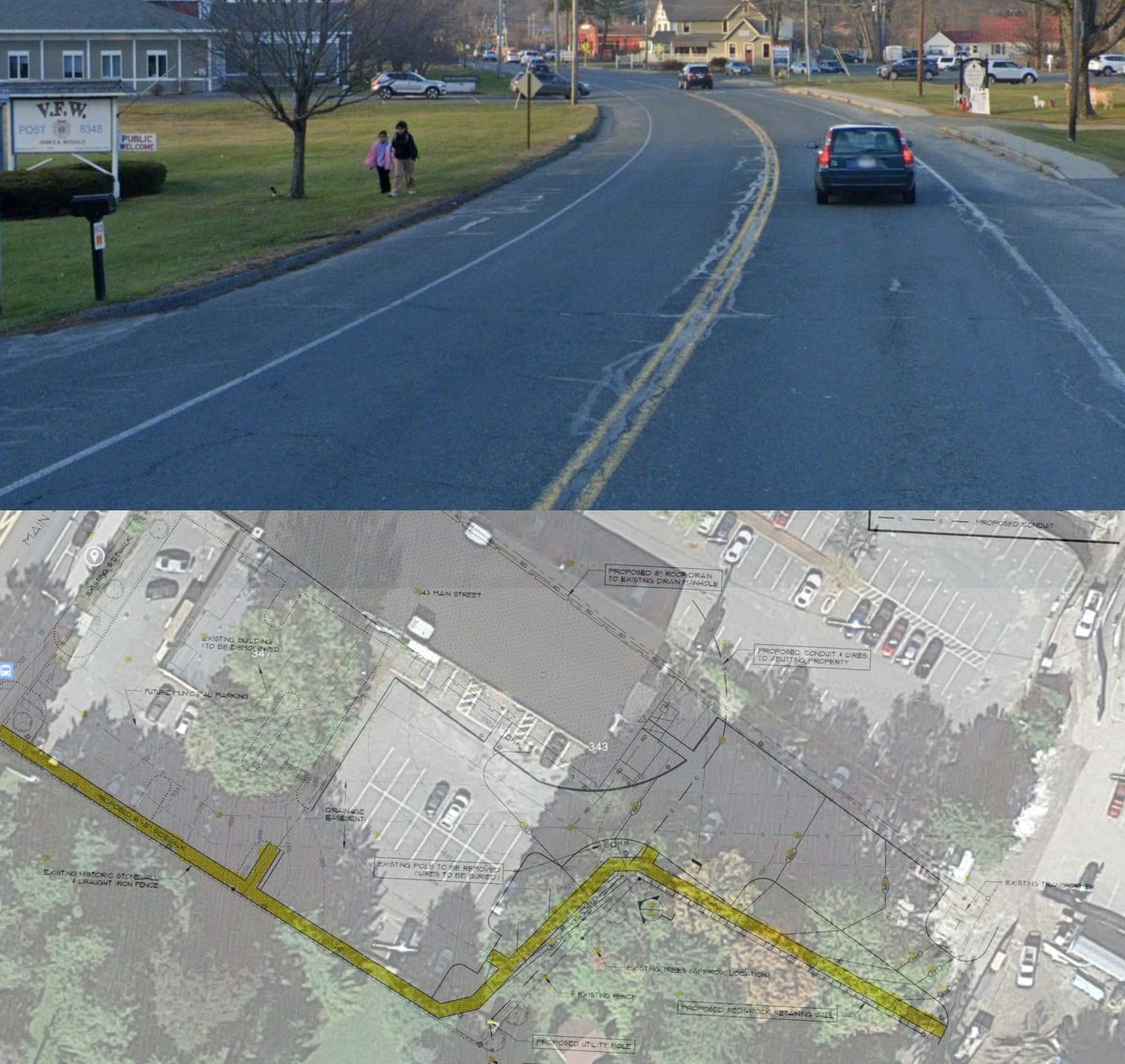
The arrangement was described in grant documents as a “public-private partnership.” On paper, for its million dollars the public would get a "transformational" pedestrian connection from Main Street, across from Town Hall, to the employee parking lot behind the Berkshire Co-op; a permanent easement for much-needed downtown public parking on the developer’s property; and, perhaps, some momentum toward future redevelopment of the adjacent brownfield parcel at 347 Main Street, the onetime home of a beloved restaurant, The Deli.
(The Deli property is burdened not only by incomplete remediation of leaked gasoline from a former gas station, but also a $2 million lien held by the state for unpaid cleanup costs.)
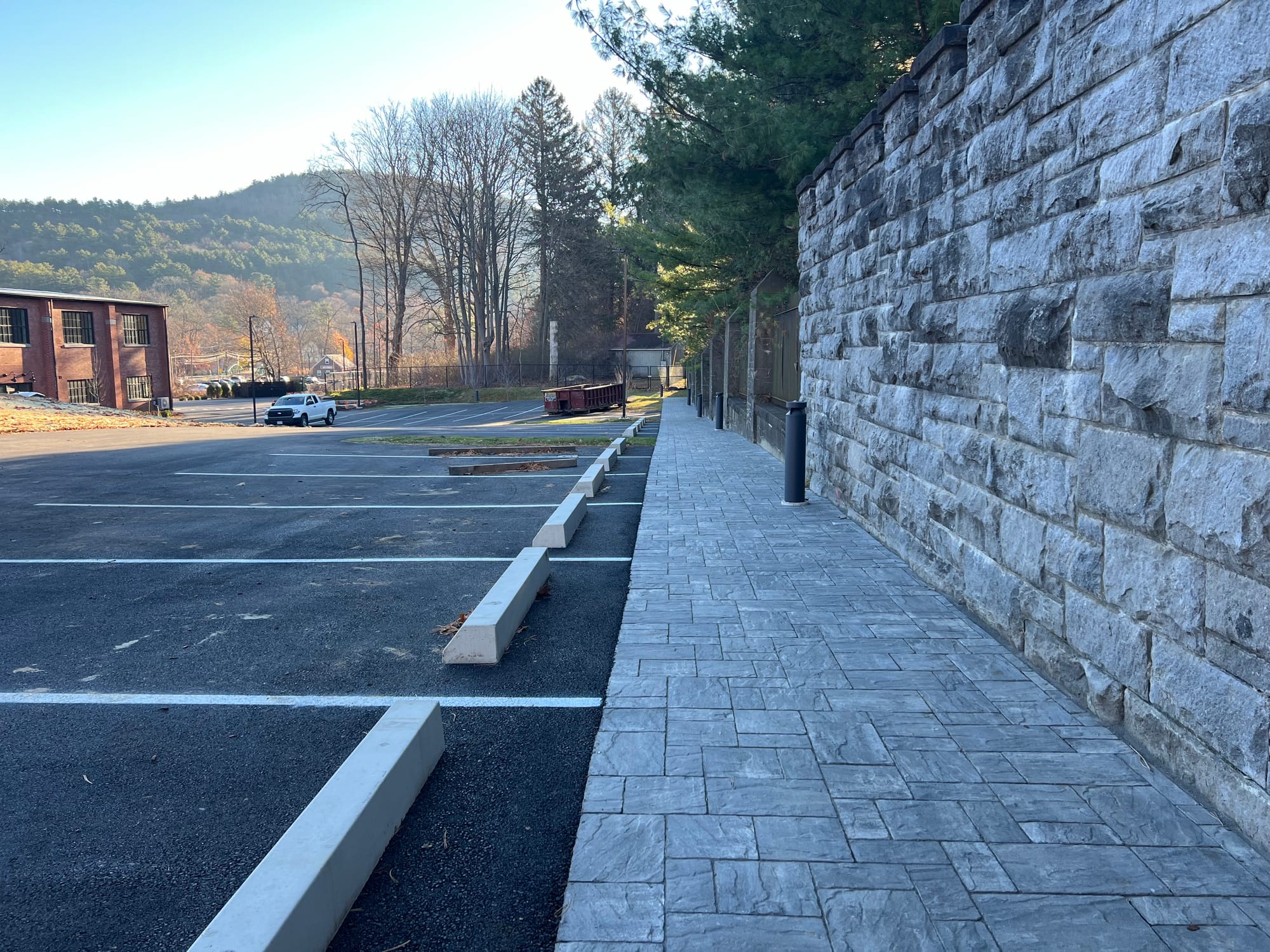
The private benefits provided by that $1 million grant are now easy to see: the developer’s property was substantially cleaned up, a large parking lot was freshly paved, utility connections were upgraded, and a walkway was built to replace unsightly, overgrown brush and fencing that would surely have been an unwelcome view from the window of a $3,000-per-month rental apartment.
What wasn't expected—and what town officials had once said was not part of the project at all—was when, in late summer 2024, the old Deli building on the town-controlled brownfield parcel was demolished without typical environmental filings required by the state.
In its place was built a new landscaped and hardscaped park made to appear integral to the developer's new luxury apartments. It was work not described in the town's grant application, though records, including agreements the town entered into with Alander Group entities, show that at least $80,000 in state funds were used to pay for it.
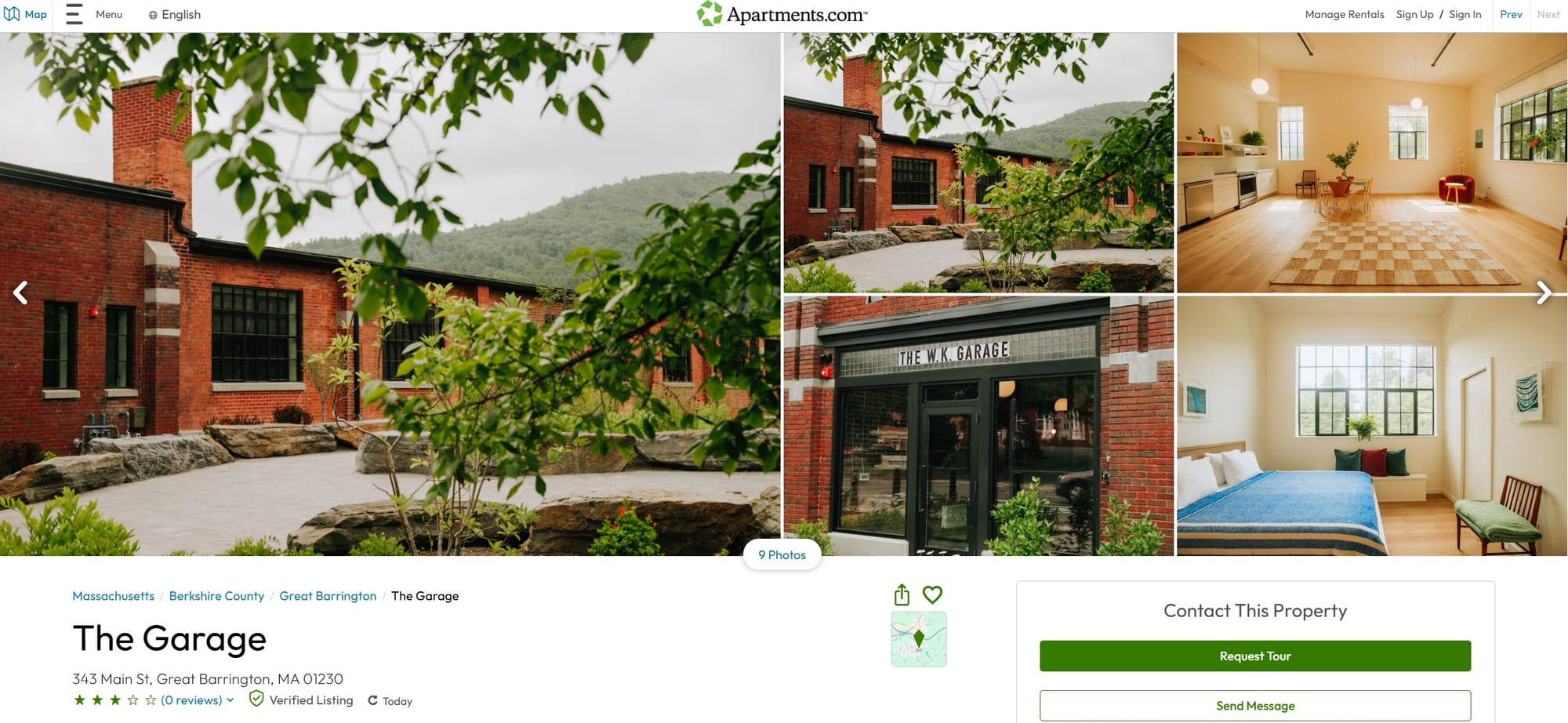
It was an additional win for the developer: advertising for the apartments features a photograph of the new landscaped park and notes that residents have access to "outdoor garden space."
As for the promised public benefits? Today, there is none of the “wayfinding” signage the grant application said would point residents and visitors to an allegedly transformational downtown walkway and new public parking.
The walkway itself ends at a rutted dirt path behind a grocery store's employee parking lot.
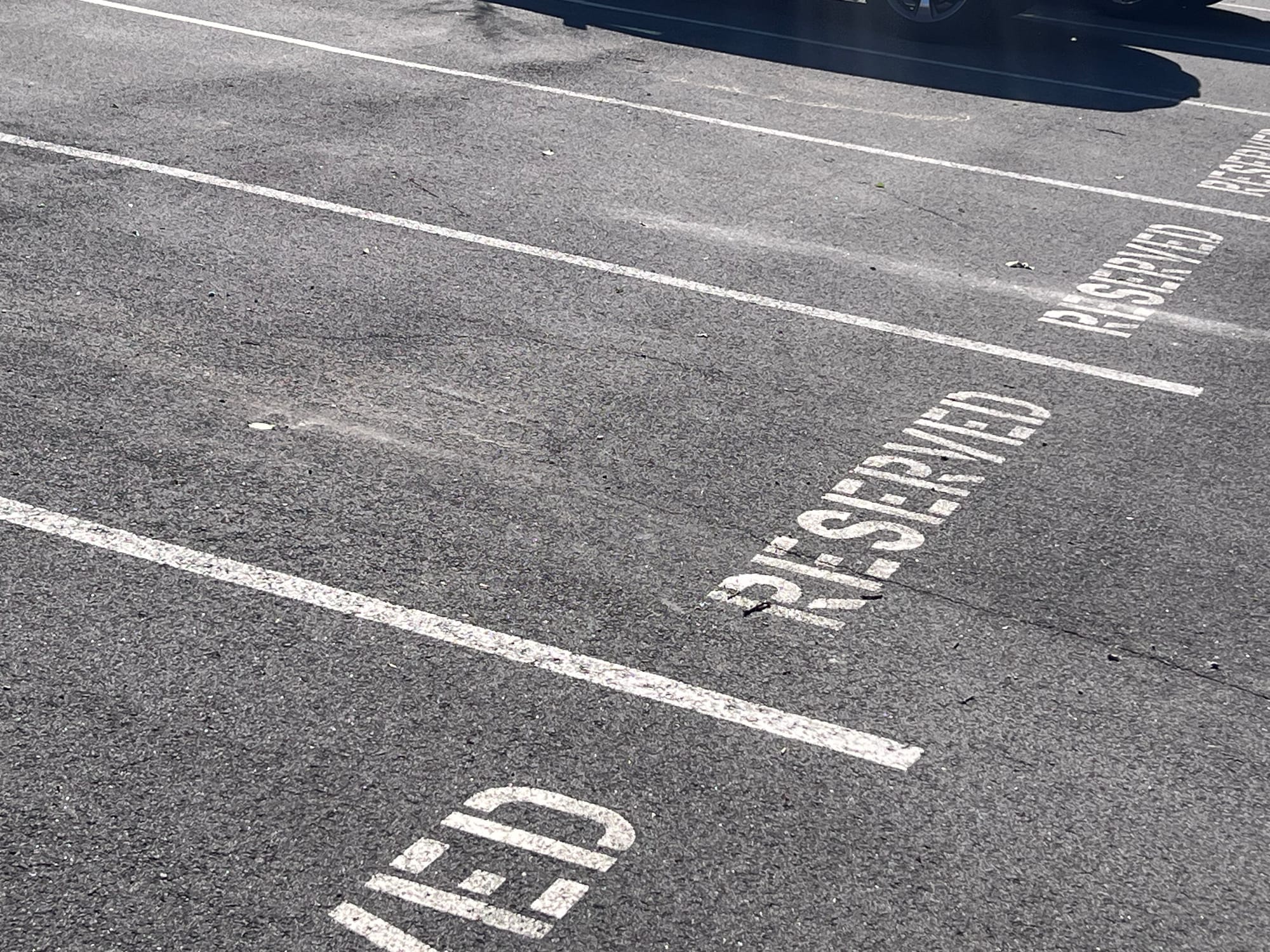
And a grant-closeout report submitted by the town suggested that as many as twenty parking spaces were now available for the public on the developer’s parcel. In fact, all the spaces there are currently marked “reserved” and the town’s public-parking map does not show any spaces available there. No permanent easement granting that parking to the town has been entered, according to registry-of-deeds records.
There's more: For more than a year, the Massachusetts Department of Environmental Protection has been investigating the demolition and construction work done at the brownfield at 347 Main, something not previously reported. Documents show three unannounced site visits since January 2025. A MassDEP spokesperson confirmed the investigation, but the agency has repeatedly declined to provide details, beyond that it was aware of a possible demolition and told the town that all environmental regulations for work at a brownfield site need to be followed.
When contacted last year, the Executive Office of Economic Development, which administers the MassWorks program, provided shifting explanations for how and why funds were redirected for the demolition. At one point, a spokesperson said the town was not required to submit any photographs—either of the work described in the grant application, or what was done at 347 Main Street.
In fact, the standard MassWorks grant agreement signed by E.O.E.D. and the town specifically requires photographs to be submitted with the closeout report. Based on records produced so far, no such photographs were submitted, raising additional questions about whether the state was fully informed about the scope and nature of the original project or later changes that included constructing a park on a brownfield parcel.
Nearly three years since the grant was awarded, the town has still never publicly announced the million-dollar grant, the walkway, or the addition of downtown parking. That alone is somewhat bizarre. When does a municipal government not crow about its work to keep local taxes down by securing state and federal funds?
And that remains a central mystery of this story: a million dollars in public money awarded to help construct thirteen luxury apartments—a project justified by public benefits that, so far, appear mostly to not exist. As well as the continuing official silence: multiple inquiries to town officials, and to Alander Group principal Ian Rasch have once again gone unanswered.
Over the past year, Chris Rembold, the assistant town manager who served temporarily in the top role last year, twice said he was too busy to respond to detailed questions about the grant and project. When Great Barrington's current town manager, Liz Hartsgrove, also declined to answer questions, and referred me again to Rembold, he did not respond. The chair of the Select Board, Steve Bannon, did not respond to questions and a request for comment.
All of this raises fresh questions about the town's priorities, its commitment to transparency, and whether it essentially provided $1 million in taxpayer funds, as well as use of an adjacent town-controlled brownfield parcel—without the Select Board's approval—to a private developer.
In total, the luxury-apartment project was subsidized with $1.7 million in state and local funds, including $250,000 from Great Barrington's Community Preservation Fund to pay for historically accurate windows. Grant materials submitted to state programs suggested at various times that at least two, and possibly three, of the thirteen apartments would be leased at rents affordable to residents earning between 65 and 125 percent of the area median income. It's unclear if that's currently the case.
Since my first reporting two years ago, this story has grown ever-more curious. Additional documents and e-mails obtained through public-records requests to multiple state agencies have raised new questions about no-bid procurement processes, environmental oversight, brownfield regulation, and the use of state grant funds.
To walk through the latest details of this ongoing reporting project, earlier this month I spoke with Sheela Clary and Erik Bruun on their Great Barrington podcast, “From the Gazebo,” part of The Village Green News, the local-news venture Clary launched earlier this year.
 Sheela Clary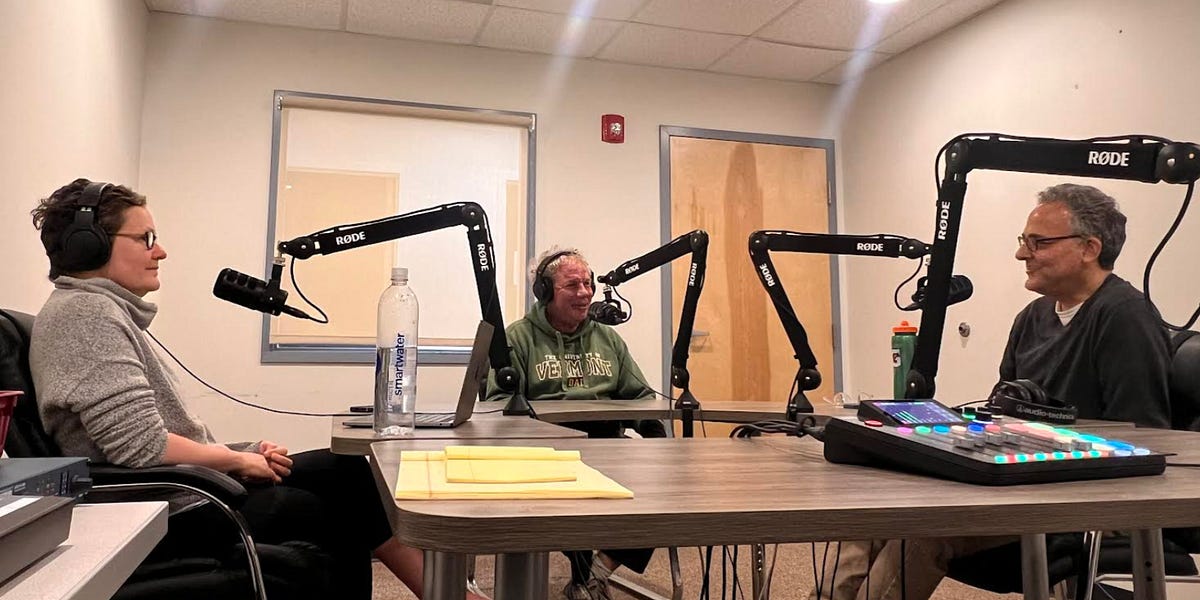
The podcast was a useful format because the details are numerous and sometimes complex. This is not a simple tale of one grant, one developer, or one municipal decision. It is a story about how public money is distributed, how promises made in grant applications are—or are not—reviewed and enforced by state officials, and how an unusual partnership between a municipality and a private developer came to be, even as both sides seem unwilling to discuss it.
(Image of the 1987 excavation of leaking gasoline tanks at Carpenter's Variety courtesy of the Great Barrington Historical Society/Don Victor Collection.)


